
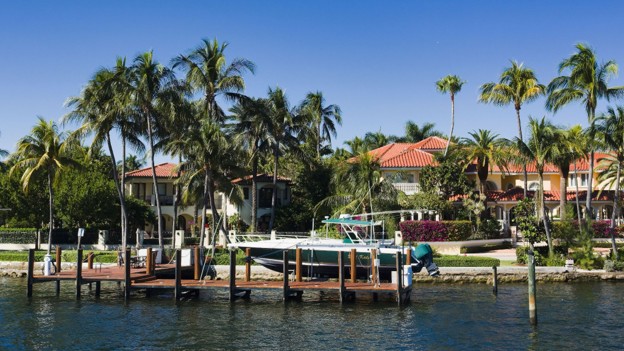
First-time real estate investors in Florida face a uniquely rewarding, yet fiercely competitive, short-term rental market. Between year-round coastal tourism, theme park traffic in Central Florida, and seasonal snowbird migrations, the Sunshine State offers relentless demand for well-managed Florida vacation rental investment properties. However, simply buying a condo near the beach no longer guarantees passive income in an era of rising insurance premiums and stricter municipal ordinances. To build lasting equity, newcomers must combine localized market research with disciplined operational habits.
Key Takeaways at a Glance for Florida Vacation Rental Investment Property
- Location dictates regulation: Municipal rules vary wildly across SW Florida especially for Florida vacation rental investment properties; a property legal for nightly rentals in Collier County might violate strict 30-day minimums in the City of Naples.
- Operating expenses run high: Windstorm insurance, hurricane deductibles, property management fees, and transient rental taxes significantly impact net cash flow.
- Business structure matters: Separating personal assets from rental operations protects your wealth before your very first guest checks in.
- Dynamic pricing beats static rates: Adjusting nightly rates for peak winter seasons versus late-summer shoulder months maximizes annual occupancy and revenue.
Treating Your Florida Vacation Rental Investment Property Like an Operating Enterprise
Many newcomers stumble because they view a vacation home purely as a passive real estate play rather than an active hospitality company. Buying the right house is only the starting line; sustaining profitability requires deliberate operational infrastructure, diligent bookkeeping, and clear legal boundaries. Forming a dedicated legal entity, such as an LLC, helps wall off your personal savings from potential guest liability claims while keeping business expenses organized for tax season. If you are mapping out those foundational steps, consulting a comprehensive rental property investing startup guide can clarify how entity formation, licensing, and long-term scaling fit together. Ultimately, durable wealth in short-term rentals comes from pairing smart property acquisition with disciplined corporate governance. Florida vacation rental investments are a business and it’s imperative to keep up with the corporate guidelines and filings.
Step-by-Step Launch Blueprint for New Hosts
Once you have identified a target market and established your business entity, follow this sequential path to move from closing table to first booking without costly missteps.
- Verify zoning and HOA bylaws in writing: Confirm that short-term rentals under 30 days are explicitly permitted by both the municipality and any homeowners or condominium association.
- Secure specialized commercial coverage: Standard homeowner policies exclude paying guests; obtain a short-term rental policy that includes windstorm, flood, and high-limit liability protection.
- Register for state and county tax accounts: Apply for a Florida Department of Revenue sales tax certificate alongside your specific county’s Tourist Development Tax (TDT) account.
- Obtain your DBPR vacation rental license: Submit your application and safety inspection details to the Florida Department of Business and Professional Regulation before listing the property online.
- Automate guest turnover and maintenance: Hire a reliable local cleaner and handyman on retainer, and install smart locks to streamline self-check-in.
Official State Licensing and Tax Guidance
Understanding state-level compliance before you close prevents unexpected administrative delays after purchase. The Florida Department of Business and Professional Regulation oversees statewide licensing for vacation rentals, outlining mandatory sanitation, safety, and human trafficking awareness training requirements for operators. Reviewing their official portal ensures you budget accurately for application fees and understand the exact legal classification of your dwelling. Bookmarking this agency’s resources gives new owners a reliable reference point whenever state hospitality statutes are updated.
Frequently Asked Questions
How much cash reserve should I keep for a Florida vacation rental investment property? Aim to keep at least three to six months of total operating expenses—including mortgage payments, HOA dues, utilities, and insurance deductibles—in a dedicated business reserve account to weather hurricane season or unexpected HVAC repairs.
Is it better to self-manage or hire a local property manager? Self-managing with dynamic pricing software and automated messaging saves 20% to 30% in management fees, though hiring a full-service local manager makes sense if you live out of state and lack reliable on-the-ground maintenance contacts.
Do booking platforms collect all my Florida rental taxes automatically? Major platforms like Airbnb and Vrbo collect and remit state sales tax and certain county taxes in many jurisdictions, but owners remain legally responsible for filing zero-dollar returns or remitting local taxes in counties without platform agreements.
Building Long-Term Momentum
Success in Florida’s vacation rental investment property sector rarely happens by accident; it is engineered through conservative underwriting, strict regulatory compliance, and hospitality-grade guest service. By treating your first coastal condo or theme-park townhouse as a structured business from day one, you protect your downside while capturing steady appreciation and cash flow. Stay adaptable to shifting seasonal demand, reinvest early profits into property upgrades, and let disciplined execution compound your real estate equity over time.
Want to know more? Here’s a link to our FAQ in real estate.